
Wow! The first time I dove into staking on Solana, I thought it was just about locking up tokens and watching rewards trickle in. Turns out, that’s only scratching the surface. Seriously, staking rewards aren’t just a passive income stream—they’re a complex dance between protocol economics, validator security, and market dynamics that can make or break your DeFi experience.
Initially, I figured the highest APR was the obvious pick when selecting validators. But then, something felt off about just chasing numbers. You see, Solana’s ecosystem is growing fast, and not all validators are created equal. Choosing one blindly might expose you to risks you didn’t even consider, like downtime penalties or centralization threats.
Here’s the thing: DeFi protocols on Solana heavily lean on validator reliability to keep transactions smooth and staking rewards flowing. If your validator stumbles, your earnings take a hit. Plus, some validators offer more than just staking—they actively participate in governance or support specific DeFi projects, which can indirectly affect your rewards or the protocol’s health.
On one hand, staking sounds like a no-brainer. On the other, the ecosystem’s complexity means you gotta be selective. My instinct said to dig deeper into who’s behind the validators, their track record, and how they handle network stress. It’s not just about the shiny APR figure anymore.
Okay, so check this out—there’s this nifty tool I stumbled upon, the solflare wallet download. It’s been a game-changer for me, especially for managing staking and interacting with DeFi apps without jumping through hoops. More on that later.
Let’s talk rewards. The numbers often look juicy at first glance, but they can be deceiving. Many protocols inflate APRs during early phases to attract liquidity, which eventually normalizes or even dips when network conditions change. Plus, staking rewards depend on validator performance—if they miss slots or underperform, your cut shrinks. That’s why validator selection is very very important.
And you know what bugs me about some staking guides? They gloss over the risks of validator misbehavior or network downtime. You might think “meh, it won’t happen to me,” but downtime slashes rewards and sometimes, if the validator acts maliciously, you risk slashing penalties. Yeah, that means losing part of your staked tokens.
So, how do you pick a validator that’s worth your trust? First, look for transparency. Validators who publish regular performance reports, engage with the community, and have a solid uptime record are generally safer bets. Also, decentralization matters—a concentrated stake in few validators can threaten network security. Spreading your stake is often smarter, even if it means slightly lower returns.
Hmm… I remember when I first tried splitting my stake across multiple validators. It felt like too much hassle. But later, when a validator I’d staked with had a brief outage, my diversified approach cushioned the blow. Lesson learned.
Now, diving into DeFi protocols themselves, many integrate staking rewards as incentives to lock liquidity or participate in governance. But the catch is, the rewards often come from multiple sources—staking yield, protocol incentives, and sometimes token emissions. This layered reward system can be confusing and sometimes unsustainable if the protocol grows too fast without solid fundamentals.
Oh, and by the way, some DeFi platforms on Solana encourage you to stake directly through their interface, but that might not always be the safest. Using a trusted wallet that supports staking natively—like Solflare—gives you more control and transparency. Plus, you avoid exposing your funds to additional smart contract risks.
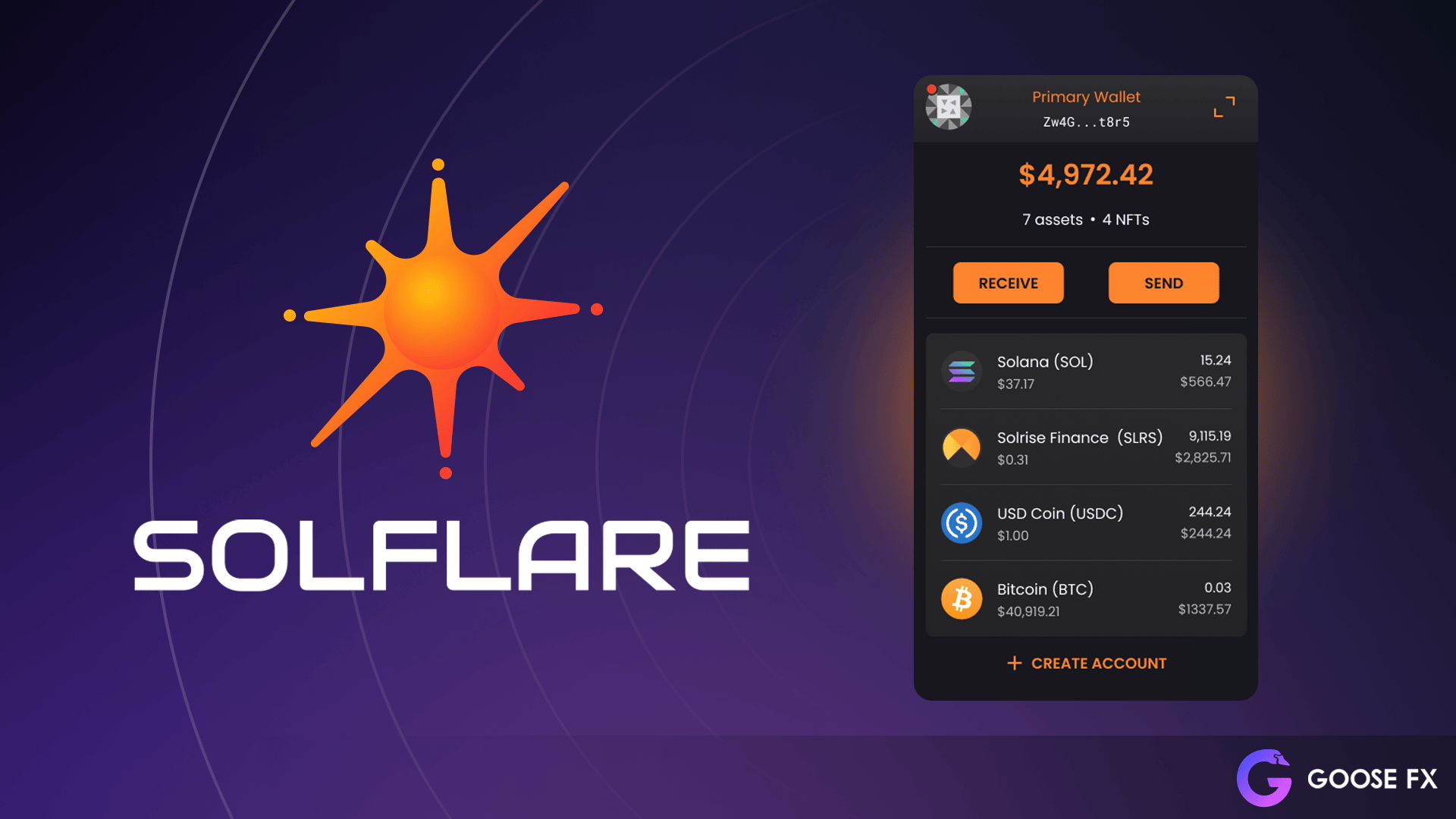
Speaking of wallets, I can’t stress enough how much easier my staking journey got after I switched to the solflare wallet download. It’s super intuitive, offers native staking interfaces, and supports easy validator selection with performance stats right at your fingertips. Honestly, it felt like going from a clunky toolbox to a sleek Swiss Army knife.
Validator selection interfaces in Solflare have this neat feature where you can compare uptime, commission fees, and community reputation. That helps weed out the sketchy validators who might charge low fees but have questionable reliability. Sometimes, low fees turn out to be a red flag rather than a bargain.
Another interesting tidbit: some validators actively support specific DeFi projects by running nodes that facilitate faster transactions or provide liquidity. Staking with these validators could give you indirect benefits, like early access to protocol updates or airdrops. Not guaranteed, but worth considering if you’re deep into Solana’s DeFi.
That said, I’m not 100% sure how much of a difference it makes in the long term, but it adds an intriguing layer to validator choice beyond mere rewards. It’s like picking a financial advisor who not only manages your portfolio but also gives you insider tips.
When it comes to DeFi protocols themselves, many are experimenting with novel staking reward models—some offer variable APRs tied to protocol performance, while others have fixed incentives with lockup periods. The trade-off between liquidity and yield can get messy, especially if you want to exit quickly without penalties.
My experience? I once locked tokens in a protocol chasing a sky-high APR, only to realize the protocol had a 30-day unstaking delay. Felt like I was stuck in a slow car on a freeway full of Lambos. That part bugs me—liquidity constraints aren’t always clear upfront.
Validators also sometimes impose their own commission fees on staking rewards, which can eat into your profits. It’s tempting to just pick the validator with the lowest fee, but again, quality matters. Paying a bit more for reliability might save you headaches and lost rewards down the road.
Now, let’s circle back to the wallet side for a sec. Managing multiple stakes and interacting with various DeFi protocols can get overwhelming. That’s why I recommend checking out the solflare wallet download. It streamlines everything—staking, swapping, governance voting—all in one place. Plus, it runs smoothly on desktop and mobile, which is clutch when you’re on the go.
One thing I keep wondering about is how validator centralization might affect DeFi’s future on Solana. If too much stake accumulates in a few big players, it could undermine the network’s decentralization goals and put your rewards at risk if those validators act out of line. So, spreading your stake isn’t just a safety net; it’s a way to support network health.
Check this out—recently, a validator I followed closely reduced their commission fees to attract more stake, but shortly after, their performance dipped. It was a classic case of sacrificing quality for quantity. That made me rethink my whole strategy. It’s not just about chasing the best deal but about trusting the validator’s commitment.
Speaking of commitment, many validators engage with the community via social channels and transparency reports. Following them can give you a heads-up on upcoming changes or issues, letting you reallocate your stake proactively. It’s almost like having a news feed tailored to your investment.
Okay, so to wrap this up—not that I have all the answers—staking rewards and validator selection are deeply intertwined with your DeFi success on Solana. Rushing into staking without vetting validators or understanding the reward mechanics is a gamble. You want to be informed, diversified, and comfortable with your chosen validators.
And yeah, the right tools make a huge difference. Honestly, I’d be lost without the solflare wallet download to manage it all seamlessly.
So next time you’re thinking about staking or diving into a DeFi protocol on Solana, remember: it’s not just about stacking rewards. It’s about choosing the right partners, understanding the ecosystem’s nuances, and staying nimble. The landscape changes fast, and your strategy should too.
Frequently Asked Questions
How do I pick a reliable validator on Solana?
Look for validators with a solid uptime record, transparent communication, reasonable commission fees, and community engagement. Tools like the Solflare wallet provide performance stats to help you compare options.
Can staking through DeFi protocols affect my rewards?
Yes, some DeFi protocols layer additional incentives on top of staking rewards, but they may include lockup periods and variable APRs. Always read the fine print and understand liquidity constraints before committing.
Is the solflare wallet secure for managing staking and DeFi?
From my experience, Solflare offers a user-friendly interface with strong security features. It supports native staking management and interaction with multiple DeFi protocols, making it a reliable choice for Solana users.
Why diversify my stake among multiple validators?
Spreading your stake reduces risk from validator downtime or misbehavior and supports Solana’s decentralization. While it might slightly reduce rewards due to varying commission fees, it’s a safer approach overall.